
In the News
Publication: UofT MedAlumni e-newsletter
Date: January 27, 2017
Dochitect was interviewed by the University of Toronto’s Faculty of Medicine Alumni e-newsletter in response to the question- “what needs to change in medicine today?”
Excerpt:
 I believe we need to put more focus on the importance of architectural design in health care — and on researching the elements and impact of our built environment.Here are just several examples of the pressing questions facing the field:
- While some countries design village-like settings for dementia populations to encourage wandering, others utilize dark flooring materials that some patients with cognitive disorders may interpret as a void, thus deterring exit attempts. Which is best — not only from the perspective of clinical outcomes, but also from an economic standpoint?
- Hospital corridors are already dynamic spaces of patient physical therapy, multidisciplinary team updates, family discussions and infection-control practices. Can a hospital corridor become more than a long narrow space with equipment spilling over and laundry bins scattered throughout?
- The notion of separating patient and staff circulation has become best practice in health-care design over recent years. With health care moving in the direction of the patient becoming the advocate of their own care and clinicians providing the expertise to aid patients in their decision-making, should the physical design separate what the clinical model is trying to unify?
- While design guidelines for health-care spaces have now set standards for patients to gain exposure to natural light, spaces reserved for clinicians have no such minimum requirements, despite these caregivers spending countless hours within health-care spaces. Should this change?

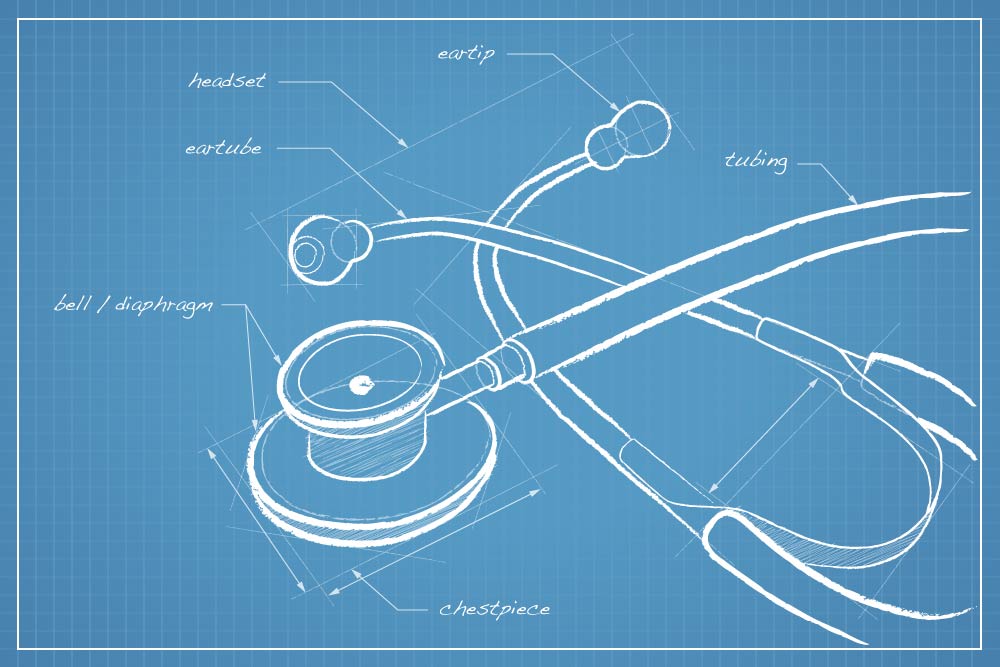


 Dochitect is interviewed for LeadDoc – The Online Journal for Emerging Physician Leaders – and comments on the hybrid medicine-architecture model and career journey.
 Excerpt: It’s an inevitable part of aging. By age 75, our eyes respond more slowly to the glaring lights of a hospital. We perceive the shiny, well-buffed floors as slippery, causing missteps and falls. Our skin is thinner, making us more vulnerable to pressure sores from rock-hard mattresses. We chill more easily. The noise from monitors and other gadgets in an acute care room or emergency department can interfere with our ability to communicate with medical staff. As a result, older patients may find they are navigating a minefield in hospitals and other medical facilities that have been designed to be friendly to healthcare workers but not seniors.